
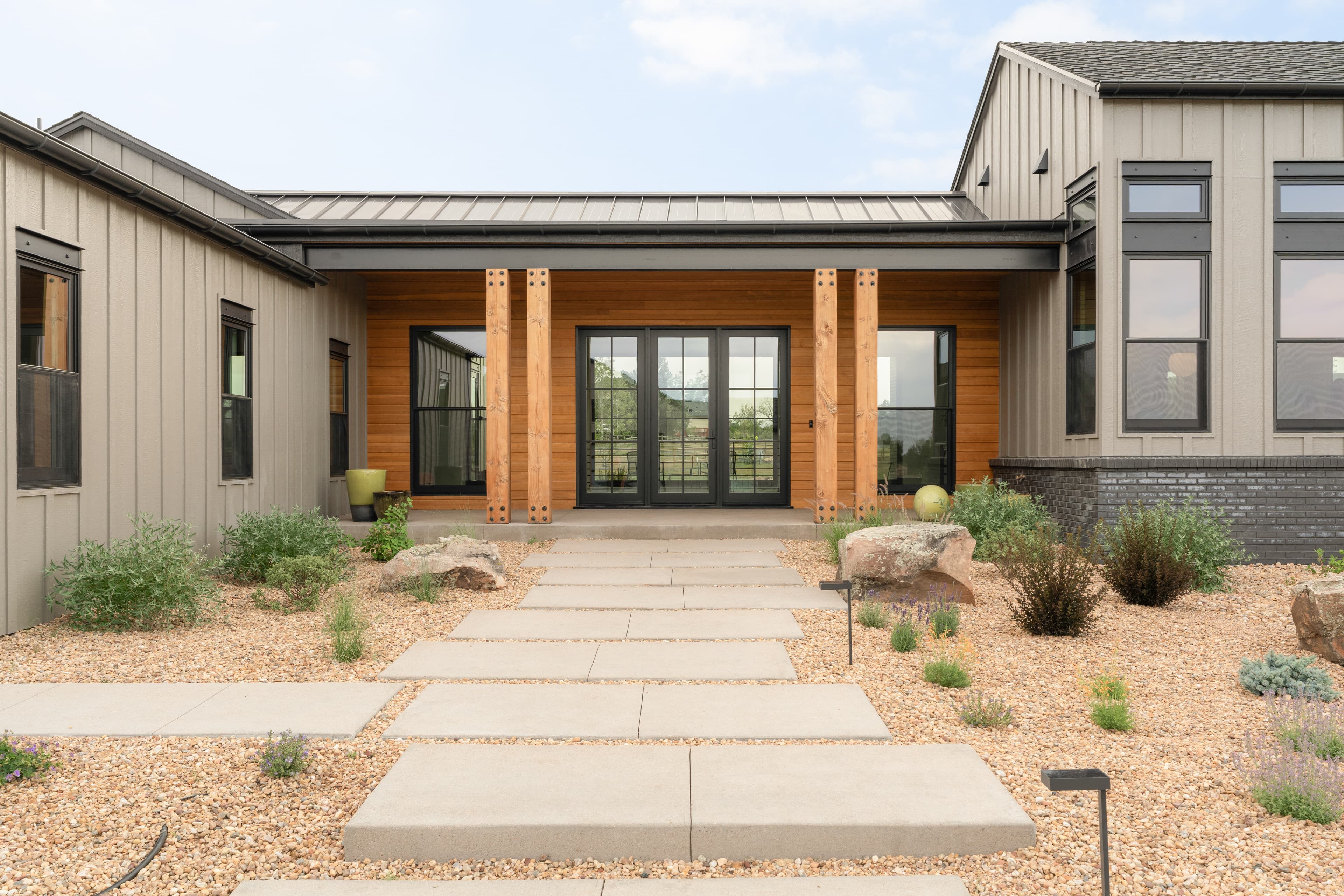
The Power of Storytelling in Real Estate Film: How Narrative Elevates Home Marketing
Storytelling is not an optional flourish in real estate film — it is the organizing logic that turns footage into persuasion, curiosity, and memory. When you treat a house as the protagonist of a short cinematic arc, you give potential buyers a way to imagine themselves inside it. That imagined life is what moves people from passive scrolling to booking a showing.
Why Story Matters
• Attention: A clear narrative gives viewers reason to watch. Even a modest arc—arrival, discovery, resolution—creates momentum that keeps eyes on the screen.
• Emotional connection: Facts and finishes register, but feeling sells. Story connects a buyer to mood, ritual, and identity more effectively than a list of materials.
• Context and meaning: Story places the home in context—neighborhood rhythms, morning light, weekend flow—so viewers understand not just what the property is, but what it will be.
• Differentiation: In markets where listings can feel interchangeable, a well-told story distinguishes a property without relying on hyperbole.
What to Aim For: The Home as Protagonist
Think of the property as the central character. The arc need not be elaborate: identify the defining quality (light, craft, view, history, utility) and design scenes that reveal it progressively.
Key narrative elements to define before you roll:
• Audience: Who do you want to reach? A young family, a downsizing couple, an empty-nester who values craftsmanship? The story’s tone, music, and pacing should align with that audience.
• Point of view: Are we seeing the property through the eyes of a new owner, a designer, a long-time resident? POV shapes camera choices and pacing.
• Tension or promise: Every story benefits from a question—What happens when the sun hits the kitchen at breakfast? How does the space adapt from workday to weekend? The answer is your reveal.
• Resolution: End with a clear image or moment that captures the home’s promise—an evening skyline, a table set for dinner, a child’s bike in the courtyard.
Story Types That Work for Homes
• Lifestyle narrative: Short vignettes that imply daily life—coffee on the patio, a work-from-home routine, weekend gatherings.
• Architectural study: A quiet, contemplative approach that emphasizes form, material, and detail; pacing is slower, framing more deliberate.
• Neighborhood micro-story: Situates the property within its block: cafés, parks, morning rituals—useful when location is a primary selling point.
• Renovation/heritage journey: Before/after sequences or a short history that shows craft, restoration choices, and provenance.
• Speculative narrative: More cinematic and scripted—actors portray a day in the life, useful for luxury or aspirational properties.
Building the Film: Process and Practical Steps
1. Pre‑production
• Brief: Create a one‑paragraph creative brief that states the story, audience, and chief visual motifs.
• Moodboard and references: Collect images, film clips, and music references to align expectations with your agent, designer, and client.
• Script or shot‑list: Even short films benefit from a sequence of beats. A two‑column script (visual / sound) clarifies choices.
2. Staging and casting
• Keep staging authentic: lived-in accents—an open book, a kettle, a folded towel—help viewers imagine life in the space.
• Consider non‑professional actors or models for lifestyle films; natural behavior often reads as more believable than posed acting.
3. Shooting
• Prioritize silent coverage: capture unobstructed, natural moments that can be paired with music or ambient sound in post.
• Mix wides, mediums, and intimate details to create rhythm: show spatial relationships, then reward the viewer with tactile close‑ups.
4. Post‑production
• Edit for rhythm: sequencing creates narrative flow. Trim anything that stalls the arc.
• Sound design is decisive: ambient neighborhood sounds, footsteps, culinary sounds, and a carefully chosen score amplify emotion.
• Color and grading should support mood—warmer tones for comfort, cooler for minimalist architecture—without masking truth.
Cinematic Techniques That Support Story
• Camera movement: Slow push‑ins, deliberate dollies, and measured handheld work well. Movement can suggest intimacy or discovery.
• Lenses and framing: Wide lenses show space; longer lenses isolate details. Use both to balance scale and texture.
• Light and shadow: Light is storytelling currency. Use natural light where possible; add controlled sources to shape faces and materials.
• Sound and silence: Silence is a tool. Where you choose to remove music and allow ambient sound to breathe, moments feel more real.
• Music and tempo: Let the score set emotional temperature, but avoid music that overrules the image.
Collaboration Tips: Agents, Builders, Designers, Homeowners
• Align early: Share the brief and moodboard with stakeholders before shooting so staging and scheduling work in service of the story.
• Be pragmatic about access: Shooting pre‑market windows (early morning or golden hour) may require coordination with occupants and contractors.
• Use the designer’s insight: Designers and builders can point to choice materials or details that should have narrative weight in the film.
Practical Checklist and Sample Shot List
Checklist before shoot day:
• Creative brief and target audience defined
• Moodboard and music references approved
• Shot list and script beats finalized
• Staging completed and decluttered
• Lighting plan and equipment booked
• Talent and homeowner permissions secured
• Call sheet with timing and key contacts
Sample 60–90 second narrative shot sequence (approximate durations):
• Opening exterior approach (5–8s): arrival shot with neighborhood context
• Threshold and entry (6–10s): door opens, first reveal of volume or view
• Morning ritual (10–12s): coffee pouring, light on counter—implies daily life
• Architectural passage (8–12s): long hallway, spatial relationship
• Detail montage (10–15s): materials, hardware, fireplace, hand on rail
• Lifestyle moment (10–15s): small gathering, reading nook—human scale
• Evening reveal / hero shot (8–12s): skyline, garden lights, final image
• Closing title and CTA (3–5s)
Adjust durations and beats based on platform and audience: social cutdowns, full listing film, and in‑office looped versions will differ.
Distribution and Measuring Impact
Match the story to the platform. Short, emotional cuts work best for social and paid placements; longer, more detailed edits are appropriate for listing pages and agent websites. Measure success by the behaviors you care about—view-through rates, time on page, click‑through to contact, and ultimately showings initiated after viewing. Use those signals to refine future stories.
Final Thoughts and Next Steps
A film that tells a clear, modest story does two things: it helps viewers imagine life in the property, and it gives agents a purposeful asset to share. Stories do not require theatrical budgets—precision in concept, intention in staging, and discipline in editing produce films that feel authentic and memorable.
If you’d like a concise workshop for your next listing—a brief to identify the right story and a sample shot list tailored to the property—we can help. Helios Real Estate Media specializes in crafting narrative-driven films that respect the home and the buyer’s imagination. Reach out to discuss an approach for your next project.