
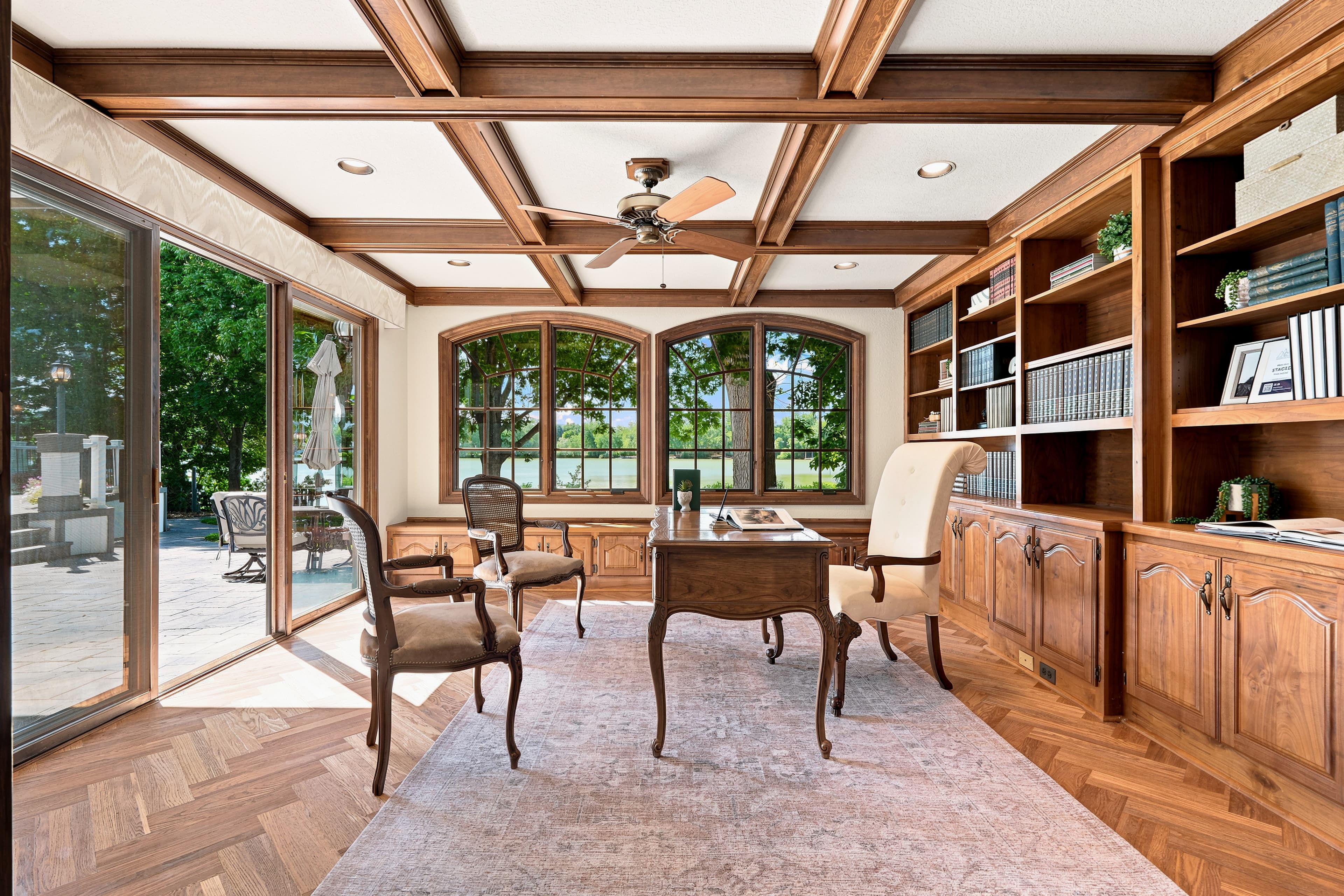
Why Cinematic Real Estate Video Is the Most Effective Way to Showcase Story-Driven and Luxury Homes
When a property carries a story — whether architectural provenance, bespoke craft, or a distinctive lifestyle — a flat catalog of photos and a simple walkthrough rarely do it justice. Cinematic real estate video is designed to capture attention and, crucially, to invoke emotion. That emotional connection is what moves a viewer from passive scrolling to active interest.
Below I explain why cinematic video often outperforms conventional approaches for luxury and story-driven homes, outline practical narrative options, and offer production and distribution considerations so you and your clients can make informed decisions.
Attention and memory: why motion and craft matter
Cinematic video uses composition, motion, light, and sound to create memorable moments. Attention is a scarce resource; a well-constructed sequence — a reveal, a lingering detail, a human moment — interrupts scrolling and anchors the property in the viewer’s mind. Memory and emotion are linked: the more a viewing experience feels meaningful or beautiful, the likelier it is to be remembered and revisited.
This is not to suggest every listing needs a three-minute short film. But for homes where materials, scale, daylight, and story are selling points, cinematic choices highlight those qualities in ways still photography and standard walk-throughs cannot.
Emotional storytelling sells context, not just space
Luxury buyers and design-conscious prospects are buying more than square footage; they’re buying a lifestyle and a narrative. Cinematic video translates architecture and design into lived experience:
• It shows how light moves through a room across the day, conveying atmosphere.
• It demonstrates circulation and sightlines, helping viewers understand how spaces flow and feel.
• It elevates materials and craftsmanship through close-ups and pacing, inviting appreciation.
• It places the viewer in a point of view — a morning coffee at the island, a late-night glow from an outdoor living space — that still images struggle to create.
When a home has a backstory (an architect’s intent, a notable renovation, provenance of materials) that story becomes an asset. A cinematic approach gives that story a voice and structure — a beginning, a moment, and a reveal — so the property is experienced rather than merely inspected.
Luxury properties require nuance, not spectacle
Cinematic does not mean flashy. For high-end homes, subtlety is the point. Thoughtful camera moves, refined color grading, and restrained sound design communicate quality and restraint. These techniques create perceived value without resorting to spectacle or gimmickry.
The result: viewers perceive the property as considered and well-crafted, which aligns with the expectations of the luxury market.
Narrative approaches that work for story-driven and luxury homes
Choose an approach that matches the property’s character and the intended audience.
• The "Day-in-the-Life" piece: short scenes that simulate living in the house (morning light in the master, sunset on the terrace). Great for lifestyle-focused luxury properties.
• The "Architect’s Story": interviews or voiceover combined with detail shots that explain design intent. Ideal when the architect or builder is a selling point.
• The "Material Journey": a tactile film that traces materials and craft — timber joins, bespoke cabinetry, stone thresholds — for buyers who value workmanship.
• The "Moment-Based" teaser: under 60 seconds, built for social distribution. Focus on one compelling moment — a pool at dusk, a fireplace reveal — to drive engagement.
Each approach has a place in a broader marketing plan: a longer film for a listing page, short teasers for social, and edited cuts for email and in-person showings.
Production considerations — what makes a cinematic video effective
Cinematic aesthetics are achieved through deliberate technical and creative decisions:
• Pre-production: clear creative brief, shot list, and storyboard tied to the home’s story.
• Camera movement: stabilized gimbal work, slow dollies, and controlled handheld when appropriate.
• Light: use natural light whenever possible; add subtle practical and accent lighting to create depth.
• Lens choices and framing: wide lenses for scale, medium and close lenses for texture and detail.
• Sound design: ambient audio, carefully chosen music, and selective voiceover or on-camera talent to reinforce narrative.
• Color and grading: consistent, tasteful color timing that supports mood without oversaturating reality.
Collaboration matters. Agents, stagers, designers, and the production team should align early on the emotional beat sheet—what you want the viewer to feel at each point.
Distribution and measurement
Cinematic video is an asset only when it’s seen in the right places and contexts. Consider a layered distribution strategy:
• Listing page as the centerpiece — a longer film that lives on the property landing page.
• Social teasers sized and timed for platform behavior (short vertical cuts for stories and reels, horizontal for YouTube).
• Email headers and broker previews to spark interest among local agents.
• In-person showings and office displays to reinforce perceived value.
Measure qualitative and quantitative signals: watch time and completion rate, social engagement, click-throughs to the listing, and inbound inquiries tied to the campaign. These indicators are more relevant than vanity measures alone.
Budget, ROI, and when cinematic may not be the right choice
Cinematic production involves time, talent, and craft. It is an investment best reserved for properties where the incremental benefit is clear: exceptional design, unique story, or a price point where perceived value is a deciding factor.
For entry-level listings, investor flips, or very small budgets, elevated photography and concise video clips may be a more efficient allocation of resources. The choice should be strategic: match production values to the listing’s market position and sales goals.
Practical checklist before you hire a cinematic team
• Define the story: what’s unique about this property?
• Identify target buyers and the channels they use.
• Set a realistic budget that includes pre-production, shoot day(s), post, and distribution edits.
• Confirm staging, access to light (time-of-day windows), and any permissions for drone work.
• Ask for a creative brief or references showing tonal work similar to what you want.
Closing: the case for intention
Cinematic real estate video is not a universal solution, but for homes with a story or those positioned in the luxury market, it often yields the strongest returns in attention, emotional connection, and perceived value. The difference lies in intention: treating the property as a place to be experienced rather than a set of assets to be cataloged.
If you’re preparing a listing where design, light, and narrative are part of the proposition, approach production as you would any high-quality presentation—thoughtful, collaborative, and focused on the moments that will make a prospective buyer feel at home.
If you’d like, we can discuss how to frame the story of a specific property and recommend a production approach that aligns with your goals.