
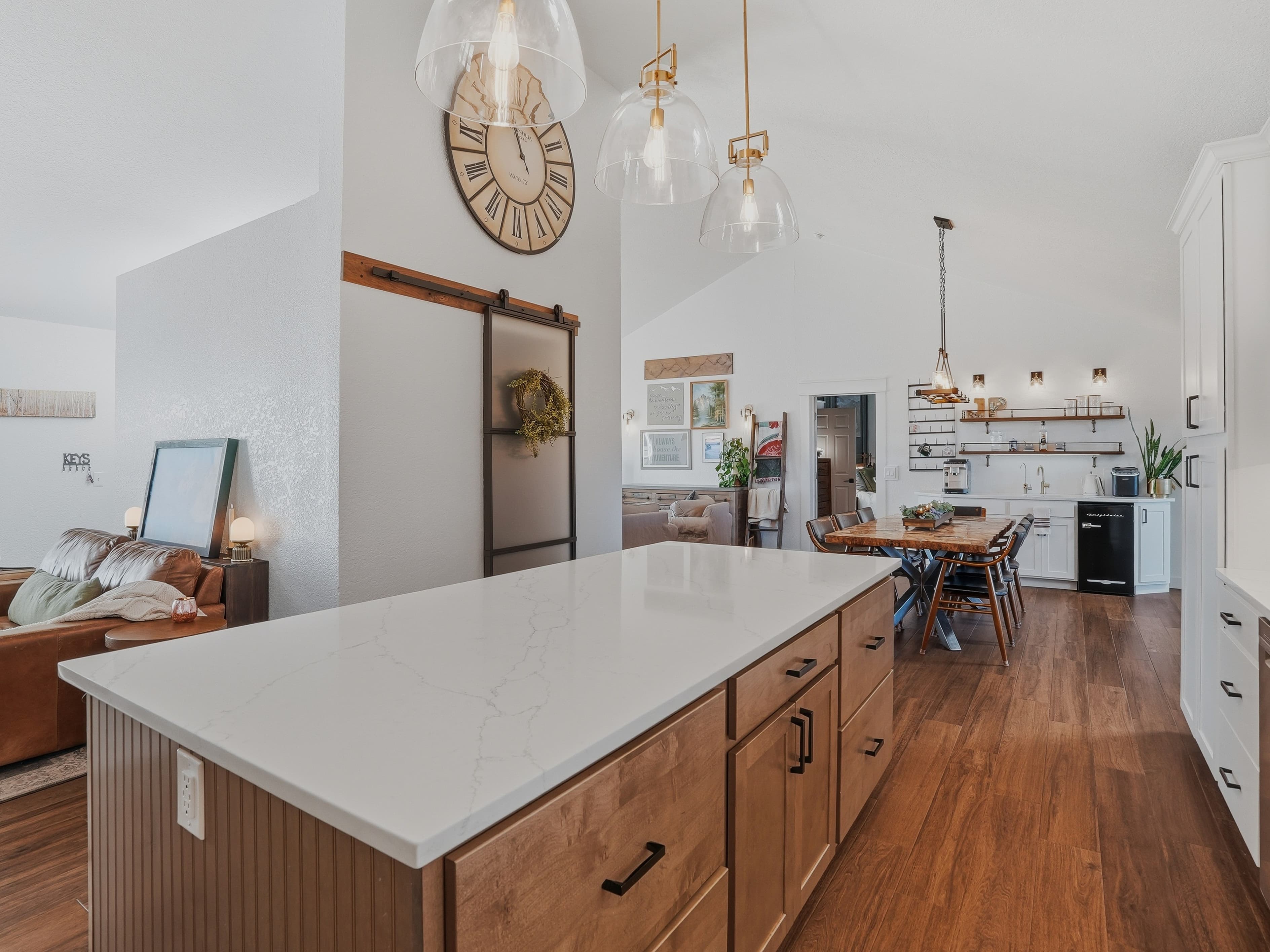
Why Professional Photography Works When Marketing a Listing
Selling real estate is, at its core, a visual business. Buyers make snap judgments online, and those initial impressions determine whether a property is viewed, toured, or overlooked. Professional photography is not decoration; it is a tool for communication — precise, intentional, and often decisive.
First impressions: a moment that matters
Most buyer interactions with a listing begin with a thumbnail or a hero image. That small image does heavy lifting: it must arrest attention, set expectations, and invite a click. Professional photographers understand framing, negative space, and the psychology of visual hierarchy — they craft a single image that reads clearly even at small sizes.
Perception of value and trust
Well-executed photos do more than flatter a room; they signal care. Clean compositions, accurate color, and honest lighting communicate that a property is presented thoughtfully, which helps establish trust. Conversely, poorly lit or distorted images raise questions about condition, layout, or the accuracy of the listing.
That said, ethical presentation matters. Professional work aims to represent a home truthfully while showing it at its best — not to mislead buyers about size, condition, or features.
Technical advantages that influence decisions
Professional photographers bring technical skills and equipment that matter in ways viewers notice, often unconsciously:
• Exposure and dynamic range control preserve detail in bright windows and shadowed interiors.
• Lens choice and perspective correction convey accurate scale and avoid misleading converging lines.
• Color balance and calibrated editing deliver consistent, true-to-life tones.
• Thoughtful composition highlights circulation, sightlines, and the home’s strongest features.
These technical choices reduce confusion and help potential buyers quickly understand a property's layout and condition.
Storytelling and image sequencing
Listings are narrative experiences when photographed deliberately. A skilled shooter sequences images to guide the viewer: exterior hero, entry, principal living spaces, circulation paths, primary bedroom and bath, outdoor transitions. This flow mirrors an actual walkthrough and prepares the buyer for an in-person tour, reducing uncertainty and increasing the quality of showings.
Practical outcomes agents observe
From higher click-through rates on portals to more qualified showing requests, agents commonly report measurable differences when listings use professional imagery. Professional photos tend to attract more attention, shorten the time a property spends on the market, and improve the quality of inquiries — outcomes that make the photography investment meaningful in practice.
Complementary visual assets
Photography is most effective as part of a broader visual package. Consider pairing still images with:
• Twilight or dusk exteriors to capture curb appeal and lighting ambiance.
• Aerial images or drone video to show lot relationships and context.
• Floor plans to remove layout ambiguity.
• 3D tours or video walkthroughs to deepen engagement for remote buyers.
Choosing the right combination depends on property type, price band, and target buyer profile.
How to get the most from a shoot — a short checklist
Preparation amplifies the photographer’s work. Before the crew arrives:
• Declutter surfaces and remove personal items.
• Stage key rooms so function and flow read clearly.
• Coordinate timing for the best natural light — often mid-morning or late afternoon, depending on orientation.
• Address minor repairs and clean windows and glass.
• Communicate unique selling points to the photographer (e.g., engineered hardwoods, recent renovation, notable views).
A brief pre-shoot walk-through with the photographer helps prioritize shots and set the visual narrative.
Choosing a photographer and defining deliverables
When selecting a photographer, evaluate portfolio quality, experience with similar properties, and professionalism in communication and turnaround. Clarify:
• Resolution and file formats delivered.
• Image rights and usage (where and how you may publish images).
• Retouching limits (what will and won’t be altered).
• Expected timeline and additional services (drone, twilight, floor plans).
Transparent expectations reduce friction and ensure the final assets align with marketing plans.
Optimizing images for listing platforms
Technical excellence on shoot day should be followed by platform-aware delivery. Resize and export images to the recommended aspect ratios and file sizes for portals to avoid automatic compression that can degrade quality. Provide succinct captions and alt text that describe features accurately — these small details help searchability and accessibility.
Cost, ROI, and competitive advantage
Professional photography is an investment. Its value is best judged against the outcomes you care about: attention from target buyers, the quality of tour requests, stronger offers, and time on market. For many agents and sellers, premium imagery is a modest expense that yields outsized influence on buyer behavior and market positioning.
Closing thoughts
In a market where most buyers begin online, photography shapes the entire sales conversation. Good images reduce friction, set expectations, and invite serious buyers to take the next step. For agents and teams aiming to compete on presentation and professionalism, investing in photography is less about vanity and more about clear, intentional communication.
If you’d like a recommended shot list for a particular property type or want to discuss deliverables that match your marketing plan, get in touch — we can help you build a visual package that aligns with your objectives.